Tips
Limewash vs. Paint: What Lasts Longer in a New York Climate
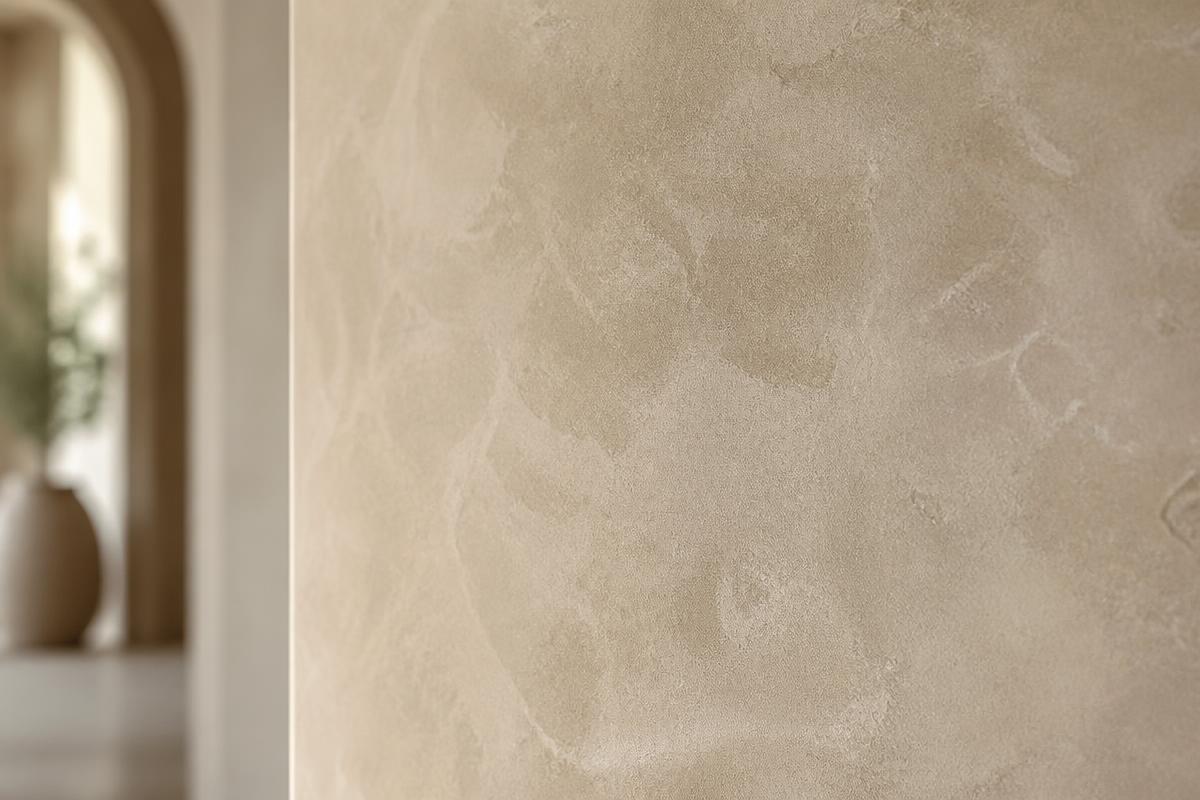
Mineral finishes breathe with the building, while acrylics trap moisture. Here's what that means for longevity, cost and maintenance.
Limewash and acrylic paint are often presented as two aesthetic choices. They are really two different physical relationships with a wall.
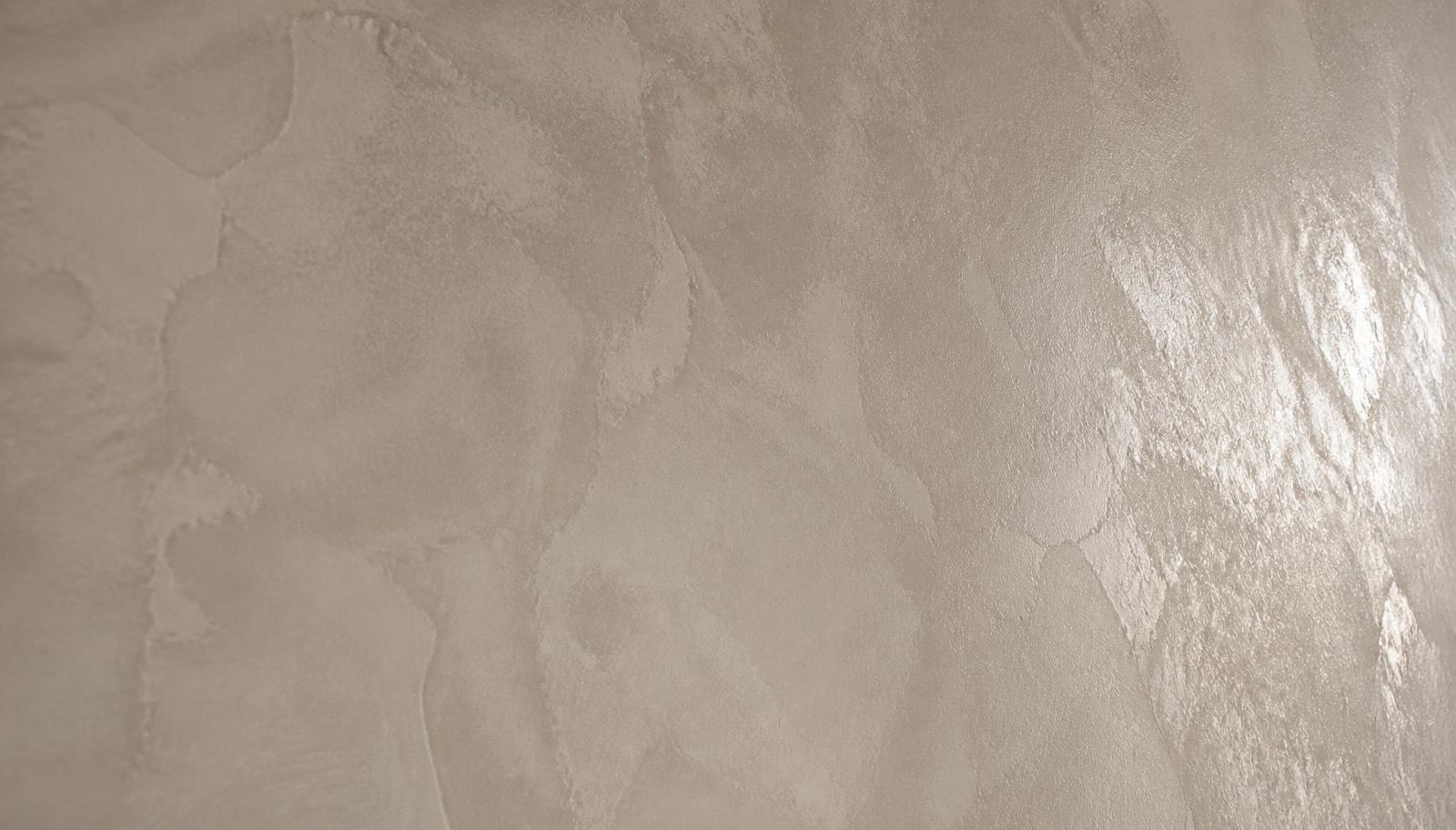
Limewash is slaked lime in water. It penetrates a mineral substrate and carbonates over weeks, becoming part of the wall rather than a film on top of it. Acrylic paint is a plastic film that sits on the surface and seals it.
In New York's climate — freeze-thaw cycles, high summer humidity, old masonry with no vapour barrier — that difference matters. A breathable mineral finish lets moisture move through and evaporate. A sealed acrylic film traps it, and trapped moisture is what causes blistering, bubbling and the chalky efflorescence you see on older painted brick.
Cost tells a similar story over time. Paint is cheaper per square foot and typically needs recoating every five to seven years in a lived-in interior. Limewash costs more up front and, on a sound substrate, holds for decades — it patinas rather than fails.
The honest caveat: limewash is not for every surface. Over new drywall it needs a mineral primer or plaster base to grip properly, and in high-traffic hallways with young children a sealed finish may simply be more practical. We specify by room, not by ideology.
Considering a finish for your own project?
We start every project with samples made in your space, in your light.
Request a consultation